
India’s road network is expanding rapidly. New highways, expressways, and smart city projects are improving connectivity across the country. However, with the increase in vehicles and traffic volume, managing highways safely has become a major challenge.
To address this issue, the National Highways Authority of India (NHAI) is adopting modern technologies that can improve communication and safety on roads. One of the most important technologies being implemented is the Smart Variable Message Sign (VMS) system.
Smart VMS systems are becoming a key part of India’s highway infrastructure. But what makes them so important? Let’s understand.
Understanding Smart VMS?
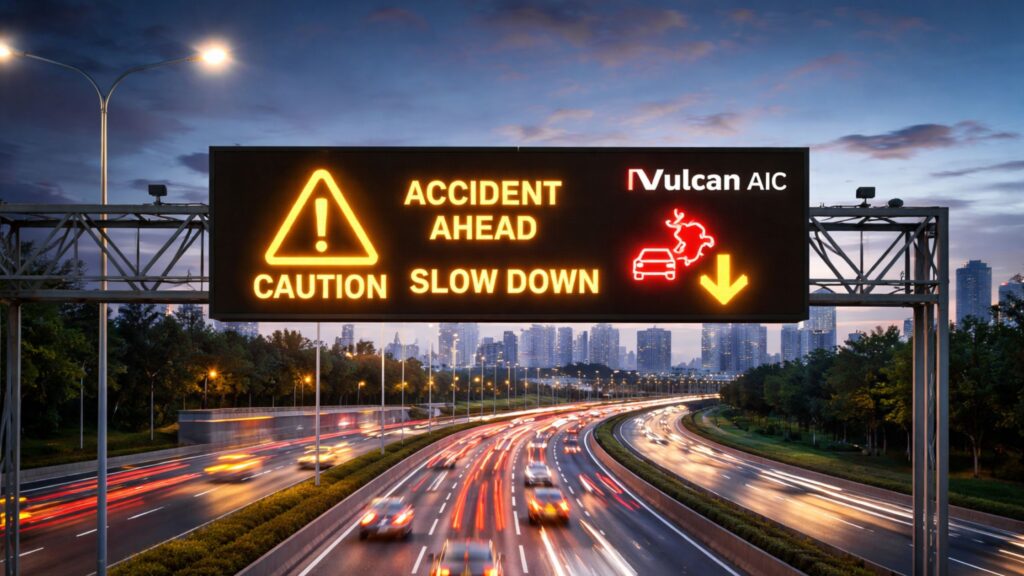
A Smart Variable Message Sign (VMS) is a digital LED-based display system installed on highways and major roads. It is used to provide real-time information to drivers.
These systems display important updates such as traffic congestion, accidents, weather conditions, road diversions, and speed limits. Unlike traditional signboards, Smart VMS can be updated instantly from a central control system.
This real-time communication helps drivers make better decisions while driving.
Limitations of Traditional Signboards
For many years, highways relied on static signboards. While they provided basic information, they are no longer effective in today’s fast-changing traffic environment.
Traditional signboards have several limitations. They cannot provide real-time updates, which means drivers are often unaware of sudden changes on the road. They also lack visibility in poor weather conditions and are often ignored by drivers due to repetitive messaging.
Because of these issues, there was a need for a more dynamic and intelligent solution.
Why NHAI is Adopting Smart VMS Systems
Real-Time Communication
One of the biggest advantages of Smart VMS is real-time communication. Authorities can instantly display alerts about accidents, traffic jams, or weather conditions.
This allows drivers to take quick action, such as slowing down or choosing an alternate route. As a result, it reduces confusion and improves overall traffic flow.
Improved Road Safety
Road safety is a top priority for NHAI. Smart VMS systems help reduce accidents by providing timely warnings to drivers.
For example, if there is fog ahead or a sharp turn, the system can display warnings in advance. This gives drivers enough time to react and drive safely.
By improving awareness, Smart VMS plays a direct role in saving lives on highways.
Efficient Traffic Management
Managing traffic on busy highways is a complex task. Smart VMS helps authorities control traffic more effectively.
It can guide vehicles during peak hours, inform drivers about diversions, and reduce congestion. This ensures smoother traffic movement and reduces delays.
Support for Smart Infrastructure
India is moving towards digital and smart infrastructure. NHAI is focusing on developing highways that are not just wide, but also intelligent.
Smart VMS systems are an important part of Intelligent Transportation Systems (ITS). They work together with cameras, sensors, and software to create a connected traffic network.
This integration helps in better planning, monitoring, and management of road systems.
High Visibility and Reliability
Smart VMS systems use high-brightness LED technology, which ensures clear visibility in all conditions. Whether it is night, fog, rain, or bright sunlight, the messages remain easy to read.
This reliability makes them far more effective than traditional boards.
How Smart VMS Works
Smart VMS systems are connected to a central control center. Traffic authorities can update messages remotely using software.
In advanced systems, VMS can also be integrated with AI and sensors. This allows automatic detection of traffic conditions and instant display of alerts without manual intervention.
This combination of technology makes Smart VMS a powerful tool for modern highways.
Role of Vulcan AIC
As the demand for smart infrastructure grows, companies like Vulcan AIC are playing an important role in delivering advanced solutions.
Vulcan AIC specializes in manufacturing Smart VMS systems that are designed for Indian road conditions. The focus is on durability, performance, and real-time communication.
Their solutions are built to support highway authorities in improving safety and traffic management. By combining technology with practical design, Vulcan AIC contributes to the development of smarter and safer roads.
Future of Smart VMS in India
The use of Smart VMS systems is expected to increase in the coming years. With large-scale infrastructure projects and government initiatives, smart technologies will become a standard part of highway development.
Future advancements may include deeper integration with AI, predictive traffic systems, and connected vehicle technology. This will further enhance road safety and efficiency.
Conclusion
NHAI is using Smart VMS systems because they provide a modern solution to real problems on highways. They improve communication, enhance safety, and help manage traffic more effectively.
In today’s fast-moving world, static signboards are no longer sufficient. Smart VMS represents the future of highway communication in India.
As technology continues to evolve, Smart VMS will play a crucial role in building safer, smarter, and more efficient roads across the country.

