
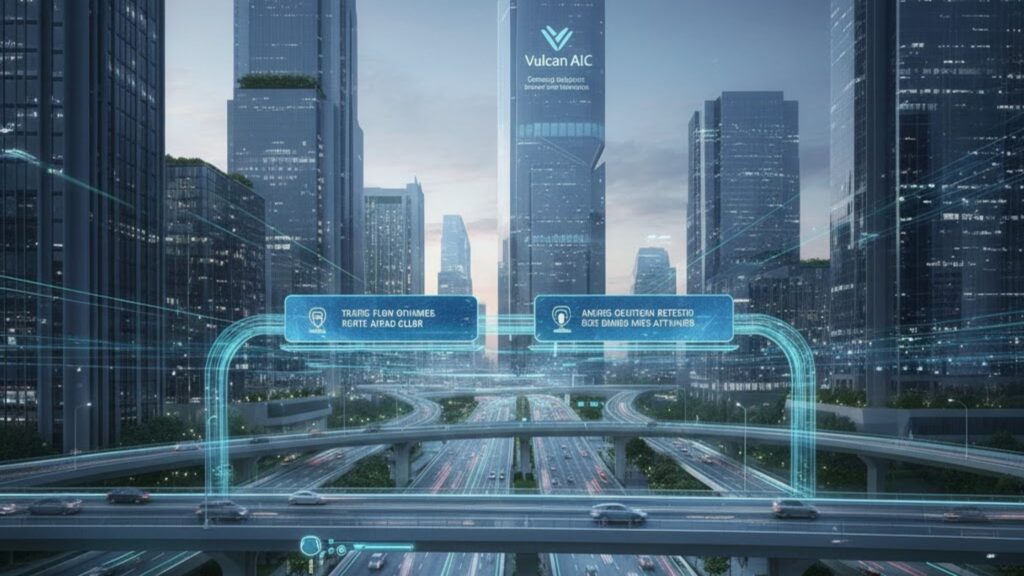
Indian highways were defined by their length and durability. In 2026, the definition has changed. Today, a world-class highway is defined by its intelligence. As the National Highways Authority of India (NHAI) targets the completion of 10,000 km of new projects this fiscal year, a silent revolution is happening behind the scenes: the shift from imported technology to indigenous, world-class highway automation.
For a long time, we judged our roads by one simple thing: How smooth is the asphalt? If the road was flat and the lines were painted, we called it a good highway.
But as our cities grow and traffic gets heavier, “smooth roads” aren’t enough anymore. We need roads that can actually think.
Today, a massive change is happening across India. We are moving away from importing expensive foreign technology and starting to build our own “smart” highways right here at home. This isn’t just about national pride-it’s about making sure you get home faster and safer.
From Static Steel to “Thinking” Infrastructure
The era of the “dumb” road is over. Traditional highway signage was reactive-fixed boards that remained the same regardless of weather, accidents, or congestion. The modern Indian expressway now utilizes an Advanced Traffic Management System (ATMS), acting as the “nervous system” of the road.
The core of this system is the AI-powered Variable Message Sign (VMS). Unlike traditional boards, these digital displays:
- Sense and Respond: Use real-time data to warn drivers of fog, accidents, or speed changes.
- Prevent Congestion: Divert traffic before bottlenecks form, saving millions in logistics costs.
- Enhance Safety: Provide instant alerts that can reduce emergency response times to under 15 minutes.
Case Study: The 8-Meter True Colour Breakthrough
Vulcan AIC recently made headlines by collaborating with NHAI to develop India’s first 8-meter True Colour VMS. This wasn’t just a bigger screen; it was a feat of engineering that combined high-intensity LEDs with low power consumption, proving that Indian innovation can lead the global market in scale and performance.
The Road Ahead
As we look toward a “Viksit Bharat” (Developed India), the role of companies like Vulcan AIC becomes critical. They are the bridge between traditional civil engineering and the digital future. By choosing indigenous intelligence, India is ensuring that its growth is self-reliant, sustainable, and, most importantly, smart.
Is your next project ready for the future of infrastructure? Visit Vulcan AIC to explore our range of “Make in India” smart highway solutions.
World-Class, Made in Noida
There’s a common myth that if something is “Made in India,” it might not be as good as “Imported.” In the world of highway tech, that myth is dead.
Engineers in hubs like Noida are now building hardware that meets the toughest global standards (like the European EN-12966). These systems are built to survive the 50°C Indian heat, the dusty winds of Rajasthan, and the heavy monsoons of Mumbai. By building them here, we get tech that is:
- Cheaper: No high import taxes or crazy shipping costs for the government.
- Faster to Fix: If a sign needs a repair, the engineer is in the next city, not a different time zone.
- Smarter for India: Our roads have everything from bullock carts to luxury cars. Local AI understands this “unique” traffic better than any foreign software ever could.
The Human Side of High-Tech
At the end of the day, technology is useless if it doesn’t help people. Smart highways are about:
- Reducing Stress: Knowing what’s ahead makes driving less frustrating.
- Saving Lives: Warning drivers about fog or accidents before they see them can prevent pile-ups.
- Saving Time: Smarter traffic flow means less time idling in a jam and more time with your family.
The Future is Already Here
India is no longer just “building” roads; we are “teaching” them. We are moving toward a future where our infrastructure is calm, stable, and helpful.
This shift is being led by home-grown innovators who believe that Indian roads deserve Indian intelligence. Vulcan AIC is one of the key players designing and manufacturing the “intelligent brains” behind our new highways-proving that a smarter tomorrow is being built right here, by us.

