
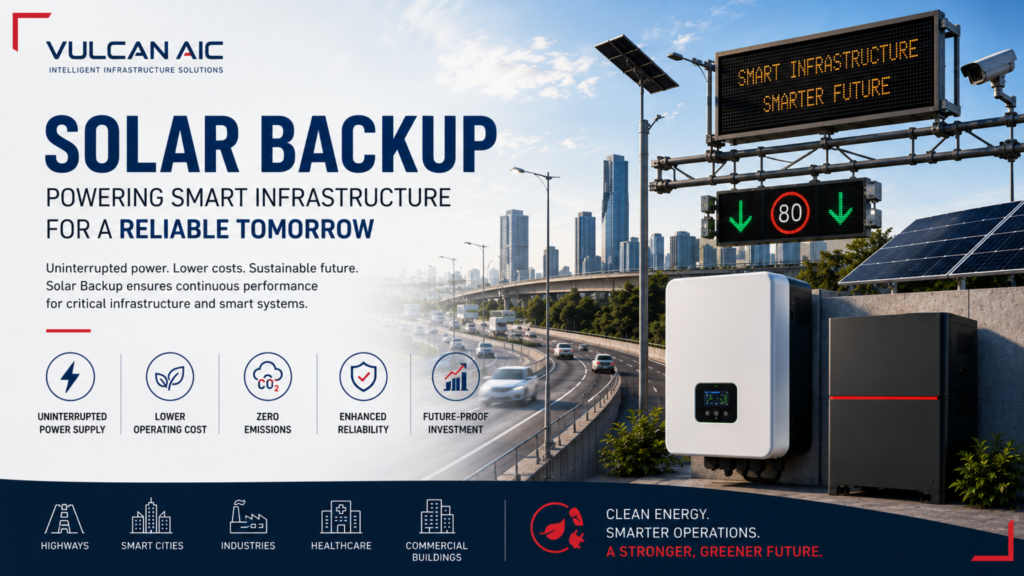
As cities become more connected and infrastructure becomes increasingly digital, Solar Backup is no longer just an environmentally friendly option-it has become a necessity. From intelligent transportation systems and smart highways to surveillance networks, hospitals, industrial facilities, and commercial campuses, uninterrupted power is critical for maintaining safety, efficiency, and operational continuity.
Traditional power grids are often vulnerable to outages caused by extreme weather, equipment failures, and rising electricity demand. In contrast, Solar Backup systems provide a reliable, sustainable, and cost-effective source of power that ensures critical infrastructure continues to function even when the grid fails.
Organizations investing in smart infrastructure are rapidly adopting solar-powered backup systems to improve resilience, reduce operational costs, and support sustainability goals.
What Is Solar Backup?
Solar Backup is a power solution that combines solar panels, energy storage batteries, and intelligent power management systems to supply electricity during grid outages or periods of high energy demand.
Unlike conventional diesel generators or standard battery systems, Solar Backup stores clean solar energy during the day and automatically supplies power whenever needed.
Modern Solar Backup systems typically include:
- Solar PV Panels
- Lithium Battery Storage
- Smart Battery Management System (BMS)
- Hybrid Inverter
- Remote Monitoring Software
Together, these components create an intelligent energy ecosystem capable of powering critical infrastructure without interruption.
Why Smart Infrastructure Needs Solar Backup
Modern infrastructure depends heavily on continuous electrical power. Even a brief outage can disrupt traffic management systems, digital displays, surveillance cameras, communication networks, and emergency response services.
Implementing Solar Backup helps ensure uninterrupted operation while reducing dependence on fossil fuels and unstable power grids.
Key reasons include:
- Increasing electricity demand
- Rising grid instability
- Climate-related power disruptions
- Government sustainability initiatives
- Growing adoption of smart cities
10 Powerful Benefits of Solar Backup
1. Uninterrupted Power Supply
The biggest advantage of Solar Backup is continuous power during outages. Critical systems remain operational without manual intervention, improving public safety and minimizing downtime.
2. Lower Operating Costs
Once installed, Solar Backup significantly reduces electricity bills by utilizing renewable solar energy. Organizations can save thousands of rupees annually while lowering maintenance expenses.
3. Supports Smart City Development
Smart cities rely on:
- Intelligent Traffic Systems
- Variable Message Signs
- CCTV Networks
- IoT Sensors
- Environmental Monitoring Stations
Solar Backup ensures these systems continue operating 24/7.
4. Reduced Carbon Emissions
Unlike diesel generators, Solar Backup produces zero operational emissions. It helps governments and businesses achieve ESG goals while supporting India’s renewable energy mission.
5. Increased Infrastructure Reliability
Power failures often lead to service interruptions. Installing Solar Backup improves infrastructure resilience and minimizes operational risks.
6. Intelligent Energy Management
Modern Solar Backup systems include:
- Mobile App Monitoring
- Battery Analytics
- Remote Diagnostics
- Predictive Maintenance
- Energy Optimization
Operators gain complete visibility over power consumption.
7. Lower Maintenance Requirements
Lithium battery-based Solar Backup systems require significantly less maintenance than conventional lead-acid batteries or diesel generators.
Benefits include:
- No fuel storage
- No engine servicing
- Longer battery lifespan
- Faster charging
8. Ideal for Remote Locations
Many highways, border roads, rural surveillance systems, and industrial sites have unreliable electricity. Solar Backup provides dependable power without requiring extensive grid infrastructure.
9. Enhanced Disaster Preparedness
Natural disasters often damage power infrastructure. A well-designed Solar Backup system keeps communication, emergency signage, surveillance, and critical control systems operational during emergencies.
10. Future-Proof Investment
Governments worldwide are investing in renewable energy and resilient infrastructure. Choosing Solar Backup today prepares organizations for tomorrow’s energy landscape while reducing long-term operational costs.
Applications of Solar Backup in Smart Infrastructure
Solar Backup is widely used across multiple industries.
Intelligent Transportation Systems
- Variable Message Signs
- Lane Control Signals
- Traffic Lights
- Highway Monitoring
Smart Cities
- Smart Street Lighting
- Environmental Sensors
- Digital Information Displays
- Public Safety Systems
Industrial Facilities
- Factory Automation
- Warehouse Operations
- Security Systems
Commercial Buildings
- Office Buildings
- IT Parks
- Shopping Centres
Healthcare
- Hospitals
- Clinics
- Diagnostic Laboratories
Educational Institutions
- Schools
- Universities
- Research Centers
Solar Backup vs Traditional Backup Systems
| Feature | Solar Backup | Diesel Generator |
|---|---|---|
| Fuel Cost | None | High |
| Maintenance | Low | High |
| Emissions | Zero | High |
| Noise | Silent | Loud |
| Automation | Yes | Limited |
| Remote Monitoring | Yes | Rare |
| Sustainability | Excellent | Poor |
How to Choose the Right Solar Backup Solution
Before investing in Solar Backup, consider:
- Daily energy consumption
- Battery capacity
- Future expansion
- Weather conditions
- Monitoring capabilities
- Battery chemistry (LiFePO₄ preferred)
- Warranty support
- Manufacturer expertise
Working with experienced infrastructure technology providers ensures long-term reliability and performance.
The Future of Solar Backup
As artificial intelligence, IoT, and smart infrastructure continue to evolve, Solar Backup will become a foundational element of resilient energy systems.
Future developments include:
- AI-based energy optimization
- Predictive battery management
- Vehicle-to-grid integration
- Smart microgrids
- Grid-independent infrastructure
- Cloud-based energy analytics
Organizations that invest in Solar Backup today will be better prepared for tomorrow’s connected world.
Frequently Asked Questions
Is Solar Backup suitable for highways?
Yes. Solar Backup is widely used for Variable Message Signs, traffic signals, surveillance cameras, and other highway infrastructure.
Can Solar Backup work during cloudy weather?
Yes. Battery storage allows the system to supply power even when solar generation is temporarily reduced.
Is Solar Backup expensive?
Although the initial investment is higher than conventional systems, lower electricity bills and reduced maintenance often result in significant long-term savings.
Which battery is best for Solar Backup?
LiFePO₄ (Lithium Iron Phosphate) batteries are considered one of the safest and most reliable choices due to their long lifespan, high efficiency, and minimal maintenance.
Conclusion
Solar Backup is no longer an optional feature—it is becoming a strategic necessity for modern smart infrastructure. From intelligent transportation systems and industrial facilities to commercial buildings and smart cities, uninterrupted power is essential for maintaining safety, operational efficiency, and sustainability.
As organizations embrace digital transformation and renewable energy, investing in Solar Backup offers long-term reliability, lower operating costs, reduced carbon emissions, and greater resilience against power disruptions. By adopting advanced solar-powered backup solutions today, businesses and government agencies can build smarter, greener, and more future-ready infrastructure.

