
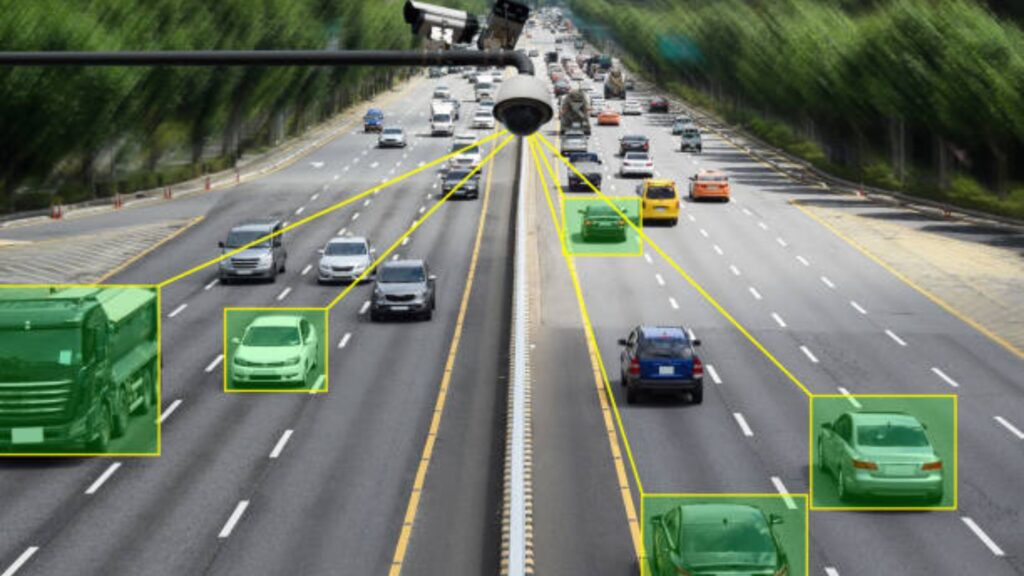
Traffic is a daily problem in every growing city. Whether it is office time, school rush, or weekend travel, roads are always full. But have you ever thought – why do traffic jams still happen even when signals are working?
The answer is simple. Most cities still use traditional traffic management, which is outdated. Now, a smarter solution is rising – ATMS (Advanced Traffic Management System).
Let’s understand both in simple words.
Understanding Traditional Traffic Management?
Traditional traffic systems are what we see every day.
They work on:
- Fixed signal timers
- Manual control by traffic police
- No real-time data
Problems with Traditional Systems
- Same signal time even when roads are empty
- No response to sudden traffic increase
- High chances of human error
- More congestion and delays
- Not suitable for growing cities
In short, it works… but not efficiently.
Understanding ATMS (Advanced Traffic Management System)?
ATMS is a smart, technology-based traffic system. It uses:
- Sensors and cameras
- Real-time data
- AI-based signal control
- Central monitoring systems
What Makes ATMS Smart?
- Signals change based on real traffic
- Detects congestion instantly
- Reduces waiting time
- Improves road safety
- Works without constant human control
This is why ATMS is becoming important for smart cities in India.
ATMS vs Traditional Traffic Management (Key Difference)
| Feature | Traditional System | ATMS |
|---|---|---|
| Signal Control | Fixed timing | Real-time adaptive |
| Technology | Low | High (AI + sensors) |
| Efficiency | Low | High |
| Traffic Handling | Poor in peak hours | Smart adjustment |
| Human Dependency | High | Low |
| Safety | Basic | Advanced monitoring |
Why Traditional Systems Are Failing Today
Cities are growing fast. More vehicles, more pressure, more chaos. Traditional systems cannot:
- Handle sudden traffic spikes
- Manage multi-lane complex roads
- Provide real-time updates
That’s why even new roads still face traffic jams.
Why ATMS Is the Future of Traffic Management
ATMS is not just an upgrade – it is a complete transformation.
Key Benefits
- Faster traffic movement
- Reduced travel time
- Less fuel consumption
- Lower pollution
- Better emergency response
In simple words, ATMS makes roads smarter, not just wider.
ATMS in India: Growing Need
India is moving towards smart cities and digital infrastructure. With increasing vehicles every year, cities need:
- Intelligent systems
- Automated decisions
- Data-driven traffic control
ATMS fits perfectly into this vision.
The Future of Traffic Management in 2026
Traditional traffic management systems have not completely disappeared and still play a role in many cities. However, on their own, they are no longer sufficient to handle the growing complexity of modern urban traffic. With increasing vehicles, dynamic road conditions, and rising expectations for efficiency, cities require more advanced and responsive solutions.
This is where Advanced Traffic Management Systems (ATMS) make a difference. By using real-time data, automation, and intelligent control, ATMS enhances traffic flow, improves safety, and reduces congestion.
Rather than replacing traditional systems entirely, ATMS builds on them – transforming traffic management into a smarter, more adaptive system.
In 2026 and beyond, traffic management is not just about signals, but about making real-time, data-driven decisions for better and more efficient mobility.

