
Infrastructure development is no longer measured only by how much we build. Today, it is also measured by how responsibly we build.
As governments and public authorities work toward climate goals, energy efficiency, and long-term sustainability, a key question is emerging:
How can infrastructure grow without increasing environmental cost?
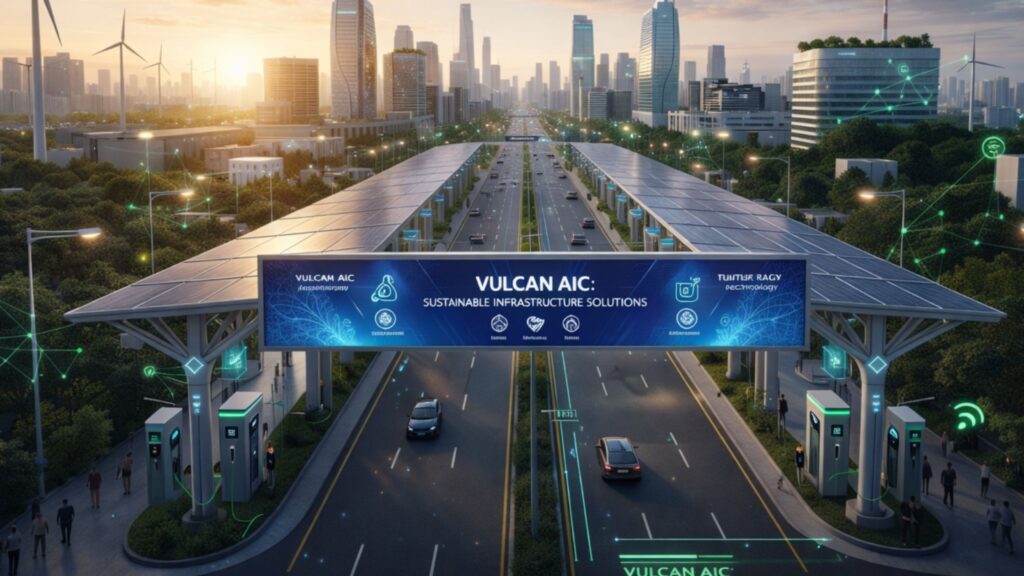
One important answer lies in solar-powered intelligent systems-a combination of renewable energy and smart technology that is reshaping how infrastructure operates.
The Sustainability Challenge in Modern Infrastructure
Highways, smart cities, public transport systems, and information networks all depend on continuous power.
Traditional infrastructure systems:
- Consume grid electricity around the clock
- Increase operational carbon footprint
- Depend heavily on centralized power supply
- Become vulnerable during outages
As infrastructure scales, so does its energy demand. Without a shift in approach, this growth can directly conflict with sustainability targets.
What Are Solar-Powered Intelligent Systems?
Solar-powered intelligent systems combine renewable energy generation with data-driven, adaptive technology.
They typically include:
- Solar panels as primary or supporting power sources
- Battery storage for uninterrupted operation
- Intelligent controllers and sensors
- Smart displays or communication systems
Instead of relying entirely on the grid, these systems generate, manage, and use energy efficiently, often operating independently for long durations.
Why Solar Power and Intelligence Work Best Together
Solar energy alone reduces emissions. Intelligence ensures that energy is used wisely.
When combined, these systems can:
- Optimize power usage based on real demand
- Reduce unnecessary energy consumption
- Prioritize critical functions during low-power conditions
- Operate reliably even in remote or high-traffic locations
This balance between clean energy and smart control is essential for sustainable infrastructure.
Supporting Government Sustainability Goals
Solar-powered intelligent systems directly align with key government priorities, including:
1. Lower Carbon Footprint
By reducing dependence on grid electricity, these systems:
- Cut emissions over their operational lifetime
- Support national climate commitments
- Promote cleaner public infrastructure
This is especially relevant for highways, smart cities, and rural connectivity projects.
2. Energy Independence for Public Systems
Public infrastructure cannot afford downtime.
Solar-powered systems:
- Continue operating during power cuts
- Reduce dependency on external energy supply
- Improve resilience in extreme weather or emergencies
This reliability strengthens public trust and service continuity.
3. Reduced Operational Costs Over Time
While initial investment may be higher, long-term benefits include:
- Lower electricity bills
- Reduced fuel or backup power costs
- Minimal ongoing energy expenses
For government and PSU projects, this translates into better lifecycle value.
Role in Smart Cities and Highways
In smart cities and highway networks, solar-powered intelligent systems are commonly used for:
- Traffic and information displays
- Safety alerts and communication systems
- Monitoring and control infrastructure
- Remote or high-exposure installations
These systems ensure that essential information continues to reach people—without adding to environmental burden.
Data-Driven Efficiency, Not Just Green Power
Sustainability is not only about energy sources. It is also about how efficiently systems operate.
Intelligent systems:
- Adjust brightness, messaging, and operation based on time, traffic, and conditions
- Avoid wasteful always-on behaviour
- Learn from usage patterns to improve efficiency
This data-driven approach ensures that renewable energy is used effectively, not excessively.
India’s Shift Toward Sustainable, Smart Infrastructure
India’s infrastructure roadmap increasingly emphasizes:
- Renewable energy integration
- Smart mobility and transport
- Energy-efficient public systems
- Long-term operational sustainability
Organizations working in intelligent infrastructure, including Vulcan AIC, contribute to this shift by knowing how to combine solar power with reliable, intelligent systems designed for Indian conditions-heat, dust, monsoons, and high usage.
The focus is not just innovation, but practical sustainability that works on the ground.
Human and Environmental Impact
When infrastructure becomes cleaner and smarter:
- Cities become quieter and more efficient
- Energy use becomes more responsible
- Public systems become more reliable
- Environmental impact reduces without compromising service
Sustainable infrastructure benefits not only governments, but also the communities that rely on it every day.
Sustainability That Operates, Not Just Exists
Solar-powered intelligent systems represent a meaningful shift in how infrastructure is designed and managed.
They prove that sustainability does not require sacrificing performance. Instead, it requires smarter decisions, cleaner energy, and thoughtful system design.
As infrastructure continues to expand, the combination of renewable power and intelligence will play a central role in building systems that are:
- Environmentally responsible
- Economically viable
- Operationally reliable
Because true sustainability is not just about building green-it is about operating wisely for decades to come.

